
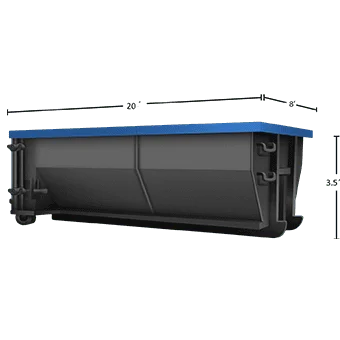
Reserve the operating area
Identify gates, tight turns, low branches, overhead services and anything that may occupy the approach later. Discuss the surface and any protection with the property owner and provider. If the container uses a loading door, keep its opening and the users’ approach clear without blocking an exit or walkway.
Match loading to the material agreement
Tell the supplier what will go in the container and ask how permitted volume and weight interact. Dense debris may need a different loading arrangement from bulky household items. Follow the provider’s fill and prohibited-material instructions, and keep uncertain items out until their disposal has been resolved.
Prepare for exchange or final pickup
The truck will need its operating area again when the container is full. Keep parked vehicles, material stacks and temporary restroom equipment out of that space. Quote the address, dates, material and expected load with any exchange needs, then confirm included weight, extra charges and the removal appointment. A site contact should know when the approach must be clear.
Questions before you book
Can the container stay wherever it was initially delivered?
Keep the agreed location unless the provider authorizes a change. Moving it or surrounding it with other equipment can prevent safe pickup.
What if the container fills before the project ends?
Ask about an exchange or additional container and its charges. Do not overfill the existing container or assume an unscheduled pickup is available.